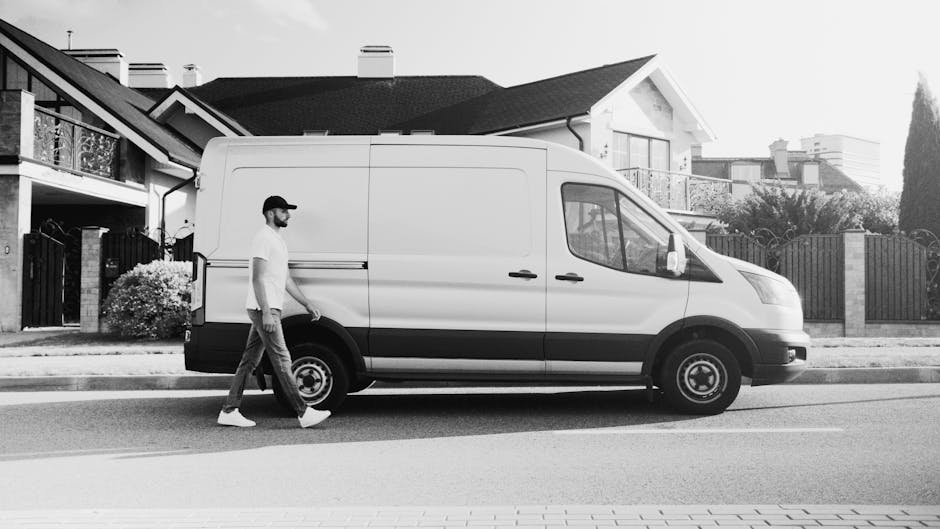
Man and van vs full removals in Putney: which to pick?
If you are moving in Putney, the first big question is often not where you are going, but how you are going to get everything there without losing your mind. Do you book a quick man and van job, or pay for a full removals service and let a bigger team handle the lot? It sounds simple on paper. In real life, it usually depends on volume, access, time pressure, and how much lifting you want to do yourself.
This guide breaks down Man and van vs full removals in Putney: which to pick? in plain English. We will look at what each option really involves, who each one suits, how pricing and effort usually differ, and where people in Putney most often get caught out. If you are planning a flat move near the High Street, a house move close to the river, or an office shift that needs a bit more coordination, this should help you choose with confidence.
Table of Contents
- Why the choice matters in Putney
- How each service works
- Key benefits and practical advantages
- Who each option suits best
- Step-by-step guidance
- Expert tips for a smoother move
- Common mistakes to avoid
- Tools, resources and recommendations
- Law, compliance and best practice
- Side-by-side comparison
- Real-world example
- Practical checklist
- Conclusion
- Frequently asked questions
Why Man and van vs full removals in Putney: which to pick? Matters
Putney has its own moving rhythm. Some streets are straightforward; others are tight, busy, awkward for parking, or just plain inconvenient when you are trying to unload a sofa while a line of cars waits behind you. That is why the choice between a man and van and a full removals service matters more than people think.
A man and van service is usually ideal for smaller jobs, lighter loads, or moves where you are happy to do some of the packing and carrying yourself. A full removals service, by contrast, is built for larger homes, more furniture, more awkward items, and the kind of move where time and coordination matter as much as the vehicle.
Get the choice wrong and you may end up under-booked, over-paying, or doing too much physical work on moving day. And let's be honest, nobody wants to discover at 4:30pm that the bed frame will not fit in the van after all.
The real value here is not just saving money. It is choosing the right level of help for the size of the move, the access at both ends, and your own bandwidth. Sometimes the cheaper-looking option becomes the more expensive one once you add stress, extra trips, or damage risk.
If you want to understand the broader range of services available, it can help to look at removal services and the more focused man and van option side by side before you decide.
How Man and van vs full removals in Putney: which to pick? Works
The two services overlap a little, which is where people get confused. Both move goods from A to B. Both may include loading and unloading. Both can be used for home or business moves. The difference is mostly in scale, manpower, planning, and the level of hands-on support.
Man and van usually means one driver and perhaps one helper, with a smaller vehicle or medium-sized van. You book it for a specific load, a set route, or a few bulky items. It is flexible and practical for students, small flats, furniture collection, or one-bedroom moves. If you need a quick, straightforward transport option, the man with van style of service is often the natural fit.
Full removals usually means a larger team, more equipment, and a more structured move. You might get multiple movers, protective covers, trolleys, and a larger vehicle. It is built for bigger homes, multiple rooms, delicate items, and moves where packing, dismantling, or heavy lifting are all part of the job. For many people, especially moving out of a family house, this is closer to a proper end-to-end service.
In practical terms, the service experience is different too. Man and van is often more direct: load, travel, unload, done. Full removals tends to feel more managed, with more coordination before the day and more physical support on the day. One is not "better" by default. They are just built for different shapes of move.
If you are moving within or around Putney and the job is somewhere in the middle, some people also compare options like movers or a larger moving van setup to see which feels more realistic for the load.
Key Benefits and Practical Advantages
Each option has clear strengths. The trick is to match the strengths to the move in front of you rather than the move you wish you had.
Why people choose man and van
- Lower cost for small jobs: If you only need one vehicle and minimal labour, it can be a sensible budget choice.
- Quick to arrange: It often suits last-minute or short-notice moves.
- Flexible for mixed tasks: Great for furniture pick-ups, single-item transport, and small flat moves.
- Less overkill: You do not need to book a big team for a tiny job. Simple as that.
Why people choose full removals
- More hands on deck: Better for stairs, heavy wardrobes, washing machines, and multiple boxes.
- Better for larger homes: If you have two or three bedrooms' worth of belongings, this is usually the safer fit.
- Less physical strain: You are not expected to do as much of the heavy work yourself.
- More suitable for complex moves: Especially where packing, dismantling, or route planning matters.
There is also a practical advantage that is easy to miss: confidence. A move feels calmer when the service level matches the scale of the job. If a move is already stressful, the right support can save you more than money. It can save your weekend.
For people who want extra help with boxes and belongings, it may also make sense to look at packing and unpacking services, especially if you are moving after work or around family commitments.
Who This Is For and When It Makes Sense
The simplest way to decide is to picture the move honestly. Not the neat version in your head. The real version, with the random bits of furniture, the awkward lamp, and the box you forgot about in the spare room.
Choose man and van if you:
- are moving from a studio or one-bedroom flat
- only have a few large items or a moderate number of boxes
- are happy to pack and prepare most things yourself
- need furniture collected from a shop, storage unit, or online purchase
- want a lighter, more affordable move and do not mind being hands-on
Choose full removals if you:
- are moving a two-bedroom home or larger
- have many heavy or fragile items
- need help carrying items up or down stairs
- have limited time, limited help, or physical constraints
- want a more structured, less stressful moving day
Commercial customers should think a little differently. An office move, for example, may be technically small in volume but still complex because of timing, equipment, and minimising downtime. In that case, the right fit may sit closer to office removals or broader commercial moves than a casual van booking.
And if you are relocating a whole property rather than just moving a few items, a more comprehensive home moves approach or specialist house removals service may simply make more sense.
Step-by-Step Guidance
If you are still undecided, this is the most practical way to work it out without overthinking everything. Which, to be fair, is easy to do when there is a move involved.
- List everything you are moving. Include furniture, appliances, boxes, plants, bikes, mirrors, and anything awkwardly shaped.
- Measure the biggest items. A sofa that looks fine in the living room can become a problem in a narrow stairwell or tight hallway.
- Check access at both addresses. Think about stairs, parking, lifts, long carries, and restricted loading space.
- Decide how much packing help you need. If you are still wrapping plates at midnight, you may need more support than you first thought.
- Match the service level to the workload. Small load = man and van. Larger, heavier, more complex move = full removals.
- Ask about timings and flexibility. Moving day rarely runs like clockwork, so it helps to understand the plan.
- Check what is included. Loading, unloading, assembly, packing materials, and waiting time can all affect the final experience.
- Get a clear written quote. That way, you can compare like for like instead of guessing.
If you are gathering prices, it is worth reading the provider's pricing and quotes information first so you know what the estimate may include. That avoids a lot of awkward back-and-forth later.
A small but useful rule of thumb: if your move needs more than one full van load, or if you need two people working for several hours, the full removals option usually starts to make more sense. Not always. Usually.
Expert Tips for Better Results
A good move is rarely about luck. It is about small decisions made early enough to matter.
- Use decluttering to your advantage. The less you move, the easier the service choice becomes. Old chairs, spare drawers, and forgotten boxes all add weight and time.
- Pack by room, not by mood. It sounds boring, but it keeps unloading far less chaotic.
- Put essentials in one clear bag or box. Kettle, charger, keys, medication, documents. You will thank yourself at 8pm.
- Protect awkward items early. Mirrors, TVs, artwork, and lamps do not enjoy being bumped about in transit.
- Plan for parking reality. In Putney, the gap between "should be fine" and "actually a pain" can be surprisingly small.
- Ask whether dismantling is needed. Beds, tables, and wardrobes can change the level of effort quite a bit.
For many households, the biggest win comes from pairing the right vehicle with sensible preparation. A small van with organised, labelled boxes can beat a big removals team arriving to a house that is still half-packed. On the other hand, if you have a long staircase and a heavy sofa, the smartest choice may be obvious the moment you see it. You know when you know.
It also helps to think about trust and handling. If you are moving valuable or sentimental items, review insurance and safety details before booking, and check the provider's health and safety policy so you understand how they approach lifting and transport.
Common Mistakes to Avoid
Most moving problems come from underestimating the job. That is the real issue, not the service itself.
- Choosing based on price alone. The cheapest option is not cheap if it takes two extra trips or leaves you exhausted.
- Forgetting access issues. A narrow street, permit issue, or long walk from the van can change the whole plan.
- Not measuring large furniture. This is one of those tiny oversights that becomes a very big problem on moving day.
- Assuming all quotes include the same things. They often do not. Labour, mileage, waiting time, and materials can vary.
- Leaving packing too late. A move becomes much more expensive in stress when boxes are half done and the clock is ticking.
- Ignoring the return journey. If the van needs to leave and come back, factor that into the timing.
Another common one: people book a man and van for what is really a full removals job, then spend the day helping to carry everything anyway. That is not a disaster, but it is not what most people imagined either.
If sustainability matters to you, consider how much you are moving and what you might not need. A little less waste and a little more planning can make the whole job smoother. The website's recycling and sustainability approach may also be useful if you are clearing items you no longer want to keep.
Tools, Resources and Recommendations
You do not need fancy equipment to make a moving decision, but a few simple tools help enormously.
- Measuring tape: For doors, hallways, stairs, and furniture dimensions.
- Notebook or phone checklist: Keep a running list of items and tasks.
- Boxes and labels: Label by room and priority, not just by "misc".
- Basic wrapping materials: Blankets, tape, bubble wrap, or paper for fragile items.
- Photo notes: Quick pictures of larger items can help when planning the load.
On the service side, you may find it helpful to compare related pages depending on the scale of your move. For example, if you are still weighing up the right level of support, the broader removals page can help frame the difference between a lighter move and a fully managed one. If you need just the vehicle side of the job, removal van and removal van style services can be a useful way to think about capacity.
For some customers, a simple removals near me search mindset is really just a way of saying, "I need help quickly and I want it local." Fair enough. Local knowledge matters, especially in London.
Law, Compliance, Standards, or Best Practice
Moving home or business in the UK is not usually a heavily regulated process for the customer, but best practice still matters. You want a service that handles belongings carefully, communicates clearly, and works in a way that feels responsible.
At a practical level, that means looking for clear terms, transparent pricing, and a sensible approach to safety. When people are lifting heavy items, moving through shared entrances, or loading near traffic, professional care is not optional. It should be standard.
It is also sensible to check terms and conditions before booking, especially if you need arrival windows, cancellation details, or clarity on waiting time. You can review the company's terms and conditions before you commit, and if you are making a payment online, it helps to understand the firm's approach to payment and security.
For business moves, especially office relocations, discretion, coordination, and minimal disruption are all part of best practice. If a move affects staff, customers, or equipment, a more formal service such as office relocation services may be more appropriate than a basic van hire approach.
The short version: choose a provider that treats your move as a job to manage, not just a load to transport.
Options, Methods, or Comparison Table
Here is the simplest way to compare the two options side by side.
| Factor | Man and van | Full removals |
|---|---|---|
| Best for | Small moves, single items, light furniture, short notice jobs | Whole-house moves, larger flats, heavy furniture, complex access |
| Team size | Usually one driver plus possibly one helper | Usually a larger removals team |
| Vehicle size | Smaller van or medium van | Larger van or truck-style removals vehicle |
| Physical effort from you | Often higher | Usually lower |
| Planning complexity | Lower for straightforward jobs | Better for careful coordination and bigger moves |
| Typical value | Best when the job is small and simple | Best when the move is large or tiring |
If you are still stuck, ask yourself one question: am I moving stuff, or am I moving a household? That is often the dividing line. Another useful question: do I want a transport service, or do I want moving-day support?
Case Study or Real-World Example
Imagine a couple moving from a one-bedroom flat near Putney station to a new place a short drive away. They have a sofa, a bed, a few shelves, two bikes, and about 20 boxes. They are packed, mostly organised, and ready to carry smaller items themselves. In that situation, a man and van service is probably the cleanest choice. It is efficient, direct, and likely enough for the load.
Now picture a family moving out of a three-bedroom house with garden furniture, white goods, wardrobes, toys, and a lot of boxes that seemed to multiply overnight. They also have a tight departure window and not much help. That is a different job entirely. A full removals service is more appropriate because it reduces strain, saves time, and gives the move a proper structure.
The interesting middle ground is the move that looks small until you start listing it properly. A one-bedroom flat can still be awkward if it has a lot of heavy furniture, difficult stairs, or storage overflow. That is where people often realise, slightly too late, that the cheaper option was not really the right one.
In our experience, the best decisions come from being a bit ruthless about the facts. Count the boxes. Measure the bed. Check the parking. Then decide. Not glamorous, but it works.
Practical Checklist
Use this before you book anything.
- Have I listed every item that needs moving?
- Do I know the size of the biggest furniture pieces?
- Are there stairs, lifts, or narrow hallways at either property?
- Is parking straightforward for the vehicle?
- Do I need help with packing or unpacking?
- Do I need one trip or several?
- Am I moving a few items, or a whole home?
- Have I checked the provider's pricing structure?
- Do I understand the booking terms?
- Have I separated essentials for the first night?
If your answers keep drifting toward larger, heavier, more complicated, or more time-sensitive, full removals is usually the safer bet. If your answers are mostly smaller, lighter, and straightforward, man and van may be perfect. Pretty simple really.
Get a free quote today and see how much you can save.
Conclusion
So, Man and van vs full removals in Putney: which to pick? The honest answer is that it depends on the scale of the move and how much support you want on the day. A man and van service is often the right fit for smaller, quicker, more self-managed jobs. Full removals is usually the better choice when the move is bigger, heavier, more delicate, or more demanding on your time and energy.
If you remember nothing else, remember this: the best option is not the biggest one or the cheapest one. It is the one that fits your actual move, your actual access, and your actual patience on moving day. That little bit of realism goes a long way.
And if you are still uncertain, that is normal. Most people are. Take a breath, measure the furniture, and choose the service that lets you start the new place feeling settled rather than flattened.
Frequently Asked Questions
Is man and van cheaper than full removals in Putney?
Usually, yes, especially for smaller jobs. But the real cost depends on how many items you have, how many helpers are needed, and whether the move takes more than one trip. A cheaper quote is only useful if it actually matches the work involved.
When should I choose full removals instead of man and van?
Choose full removals if you have a larger property, heavy furniture, lots of boxes, difficult access, or limited help on the day. If you know you will need a lot of lifting and coordination, the fuller service is often the calmer option.
Can a man and van service move a one-bedroom flat?
Yes, often it can. A one-bedroom flat is one of the most common types of move for a man and van service, provided the furniture volume is reasonable and access is manageable. If the flat is packed with bulky items, though, full removals may be better.
Do full removals include packing?
Sometimes they do, sometimes they do not. Packing can be offered as an extra or as part of a more comprehensive moving plan. It is always worth confirming exactly what is included before booking, especially if you want the move to be as hands-off as possible.
What if I only need help with a few bulky items?
That is often where man and van works best. It is well suited to sofas, beds, wardrobes, appliances, or a small number of items that are hard to move alone. You do not need to book a full removals team for three pieces of furniture. That would be a bit much, frankly.
Is full removals better for families moving house?
In many cases, yes. Families usually have more belongings, more rooms, and more time pressure. A full removals service reduces the physical strain and helps the day run more smoothly, especially if children, pets, or tight timings are involved.
How do I know which vehicle size I need?
Start by listing your largest furniture and the number of boxes. Then think about whether everything is likely to fit in one load. If you are unsure, ask for advice during the quote stage and describe the move honestly. A rough inventory is much better than guessing.
Are there access issues in Putney that affect the choice?
Often, yes. Like many London areas, Putney can involve tight streets, busy parking, and tricky loading conditions depending on the exact location. That does not mean moving is difficult everywhere, but it does mean access should be checked early rather than assumed.
Should I book a service if I am moving on short notice?
Yes, if you need to. Man and van is often the more flexible option for short-notice moves, while full removals may need a bit more scheduling. Either way, being clear about your timing needs helps the provider advise you properly.
What should I ask before I book?
Ask what is included, how many people will attend, what vehicle will be used, whether packing help is available, how pricing works, and whether there are any extra charges for stairs, waiting time, or difficult access. Those answers make comparison much easier.
Can I use removals for office moves as well?
Yes. Office moves often need a more structured approach than a simple transport booking, particularly if equipment, filing, or downtime is involved. For that reason, commercial customers often look at office-specific or broader commercial moving support rather than a basic van-only service.
What is the safest choice if I am moving fragile items?
If fragile items are a major concern, the safest choice is usually the option that gives you more handling support, better packing, and a more carefully planned move. For many people, that means full removals or at least a service that includes solid packing support and careful loading.
Where can I learn more about the company behind the service?
You can review the company's background on the about us page and check practical details such as insurance and safety, payment and security, and privacy policy before making a decision.